In This article Explained detailed guide on making two types of traditional Sandige (Papad): Rice Sandige and Rava (Semolina) Sandige.
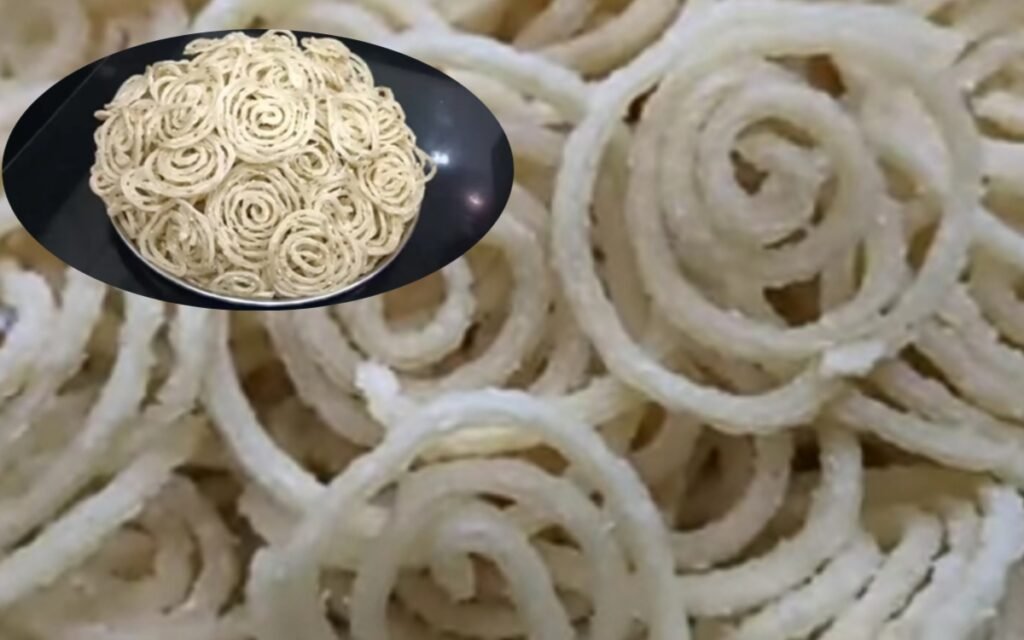
Both recipes are designed to be crispy, white, and suitable for year-long storage.
1. Rice Sandige (Akki Sandige)
This method uses a combination of ration rice (boiled/raw) and sago (sabudana) to achieve a bright white and crispy texture.
Ingredients & Preparation
Rice: 4 cups of ration/control rice.
Sago (Sabudana): 1 cup.
Water: Total of 12 cups (4 cups for grinding + 8 cups for boiling).
Seasoning: 3 tbsp salt, 1/2 tsp Papad khara (alkaline salt), cumin seeds, and white sesame seeds.
Step-by-Step Process
Soaking : Wash the rice and soak it for two days. On the night before making sandige, wash and soak the sago separately.
Grinding : Drain the rice and grind it into a very smooth paste using roughly 4 cups of water. Grind the soaked sago into a fine paste as well and mix both together.
Cooking the Base : Boil 8 cups of water in a large pot. Add salt and papad khara. Once boiling, pour in the ground mixture while stirring continuously to avoid lumps.
Simmering : Cover and cook until the mixture thickens and turns translucent.
Final Touches : Add cumin and toasted sesame seeds to the cooked dough and mix well.
Drying : Use a Chakli maker (murukku press) with a star or ribbon disc to pipe the dough onto a plastic sheet or cloth. Dry in the sun for 2 days, flipping them halfway through.
2. Rava Sandige (Semolina Papad)
A quicker alternative using fine semolina (Chiroti Rava), known for being very easy to prepare.
Ingredients & Preparation
Rava: 5 cups of fine semolina (Jiro number/Chiroti Rava).
Water: Approximately 1.5 large pitchers (tumbige) for boiling.
Seasoning: Salt and Papad khara to taste.
Step-by-Step Process
Cleaning the Rava : Soak the rava in plenty of water. Let it settle, then drain the cloudy water from the top. Repeat this 2-3 times to remove impurities and ensure the sandige remains white.
Soaking : Ideally, soak the cleaned rava overnight.
Cooking : Boil the water in a large vessel with salt and papad khara. Add the soaked rava and cook, stirring constantly until it reaches a thick, dough-like consistency.
Drying : Best prepared early in the morning (around 8-9 AM). Pipe the dough using a press onto sheets.
Sun Drying : Let them dry in harsh sunlight. Flip them after a few hours. They usually dry completely within 2 days.
Serving & Storage
Frying : Deep fry in hot oil until they expand and become crispy.
Healthy Alternative: These can also be “fried” in a microwave for about 1 minute without oil for a guilt-free snack.
Storage: Once perfectly dry, store them in an airtight container; they stay fresh for over a year.
Pro Tip: Always use a larger vessel than you think you need, as the dough expands and requires vigorous stirring!
Flax Seeds Laddu (Agase Laddu) Recipe

There’s a specific sound that defines a perfect evening in an Indian household—it’s the distinct kurum-kurum crunch of a thin-crust onion samosa. Whether you’re walking past a bustling street corner in Bangalore or sitting down for a rainy-day tea at home, the Irulli Samosa (Onion Samosa) is more than just a snack; it’s an emotion.…
Continue Reading Pocketful of Crunch: The Secret to Street-Style Onion Samosas at Home
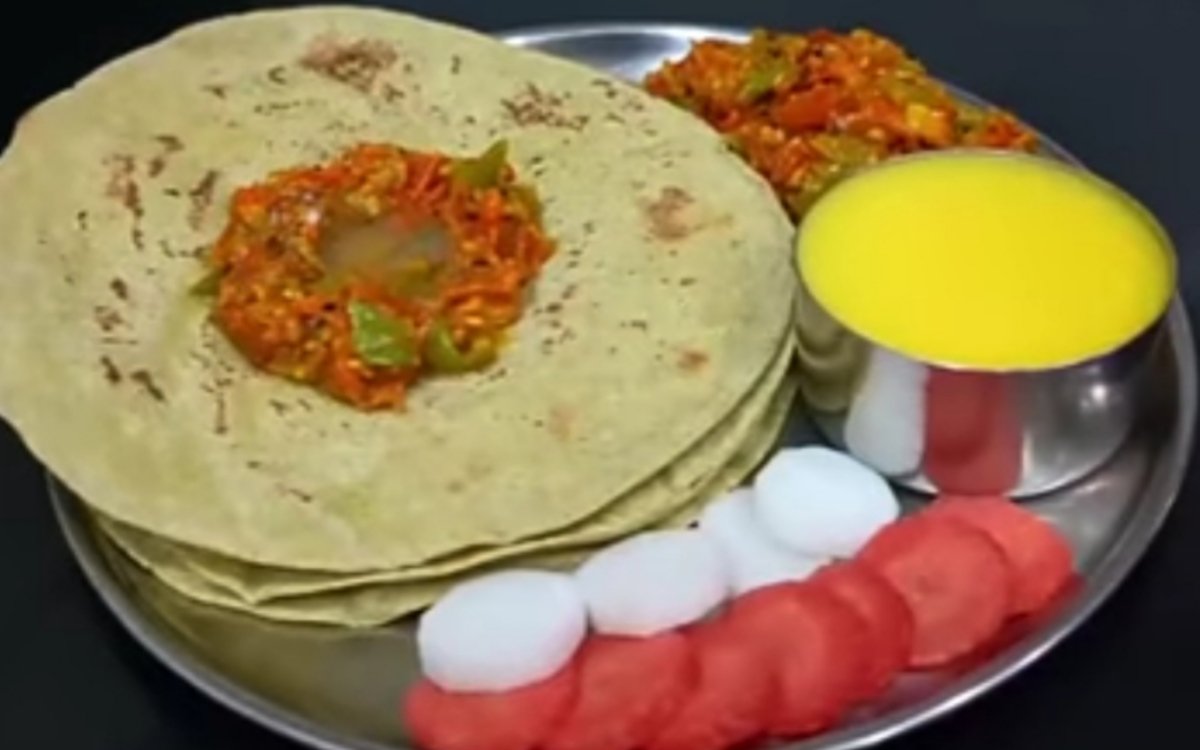
This guide covers three traditional North Karnataka style garlic chutneys that are perfect for travel or long-term storage, along with the preparation of soft Bajra (Pearl Millet) Rotis. 1. Chunky Green & Red Chili Garlic Chutney Best for: Immediate consumption with fresh rotis. Ingredients: Large green and red chilies (less spicy variety) Garlic cloves Fenugreek…
Continue Reading 3 Types of Garlic Chutneys and Bajra Roti Recipe
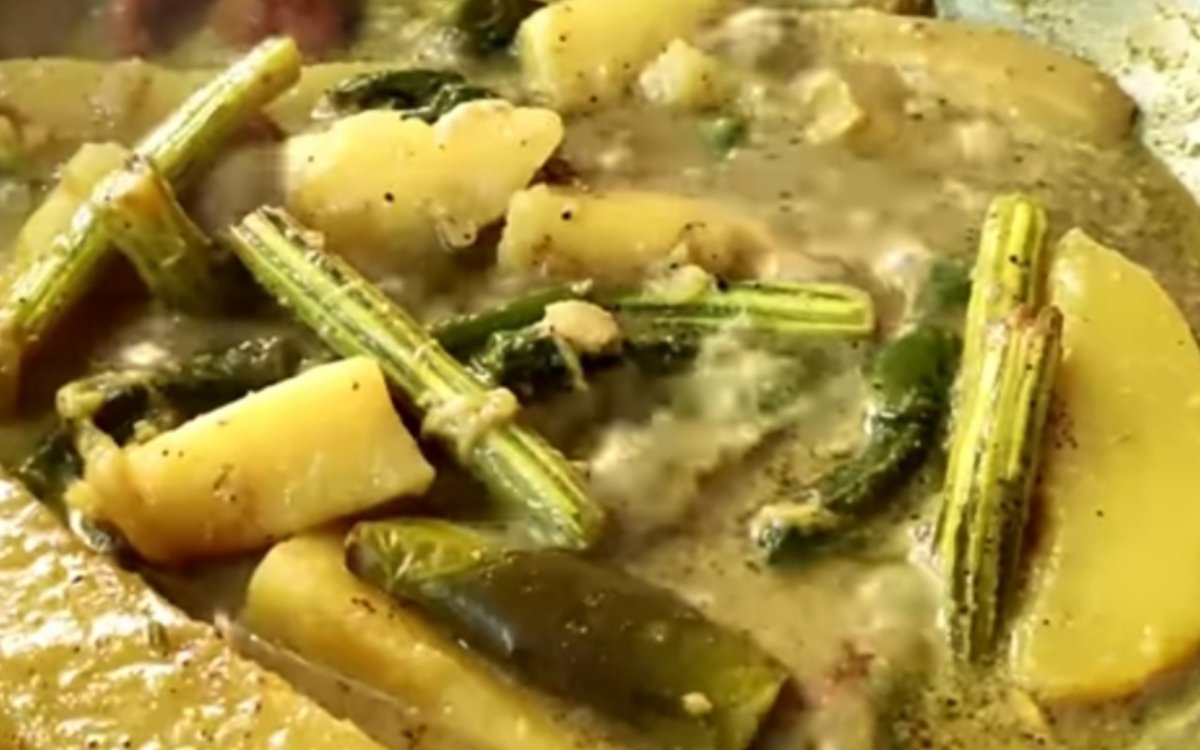
Shukto is a traditional Bengali bitter-sweet vegetable stew, typically served as the first course of a meal. In This article Explained how to prepare a classic, creamy version of this delicacy. Ingredients Vegetables (Chopped into long pieces) Bitter Gourd (Ucche): 2 medium Potato (Alu): 2 medium Raw Papaya (Pepe): 1 cup Raw Banana (Kanchakala): 1…

In This article provides a quick, nutritious, and delicious breakfast option using oats and fresh vegetables. Ingredients Oats: 1 cup (Rolled or Instant) Besan (Gram Flour): 2-3 tbsp (for binding) Curd (Yogurt): 1/4 cup Vegetables: Finely chopped Onion, Tomato, Green Capsicum, and Carrots. Spices: Turmeric powder, Red chili powder, Cumin powder, and Salt. Herbs: Fresh…

In This article Explained how to make a refreshing, colorful, and delicious Falooda/Fruit Custard at home. It combines the creaminess of custard with the texture of vermicelli (sevai) and fresh fruits. Ingredients For the Base: Milk: 500ml (Full fat preferred) Vermicelli (Shavige): As per requirement Ghee: 2 tsp Sugar: 1/2 cup (adjust to taste) Custard…

“Mohabbat Ka Sharbat” is a famous refreshing summer drink traditionally made with milk, watermelon, and rose syrup. This version adds jelly and chia seeds for extra texture and cooling benefits. Ingredients For the Base & Toppings: Milk: Boiled and chilled (room temperature or cold). Watermelon: Some finely chopped, others scooped into small balls. Rose Syrup…
Continue Reading Mohabbat Ka Sharbat (Summer Refreshment) Recipe

Hi, I’m Shreejith! For over 5 years, I’ve been sharing my love for authentic flavors through My Indian Recipe. My mission is to simplify traditional Indian cooking—from regional classics to healthy modern twists—so you can easily “Taste the Tradition” in your own kitchen. Every recipe I share is crafted to bring a piece of India’s rich culinary heritage to your table.