There’s a specific sound that defines a perfect evening in an Indian household—it’s the distinct kurum-kurum crunch of a thin-crust onion samosa. Whether you’re walking past a bustling street corner in Bangalore or sitting down for a rainy-day tea at home, the Irulli Samosa (Onion Samosa) is more than just a snack; it’s an emotion.
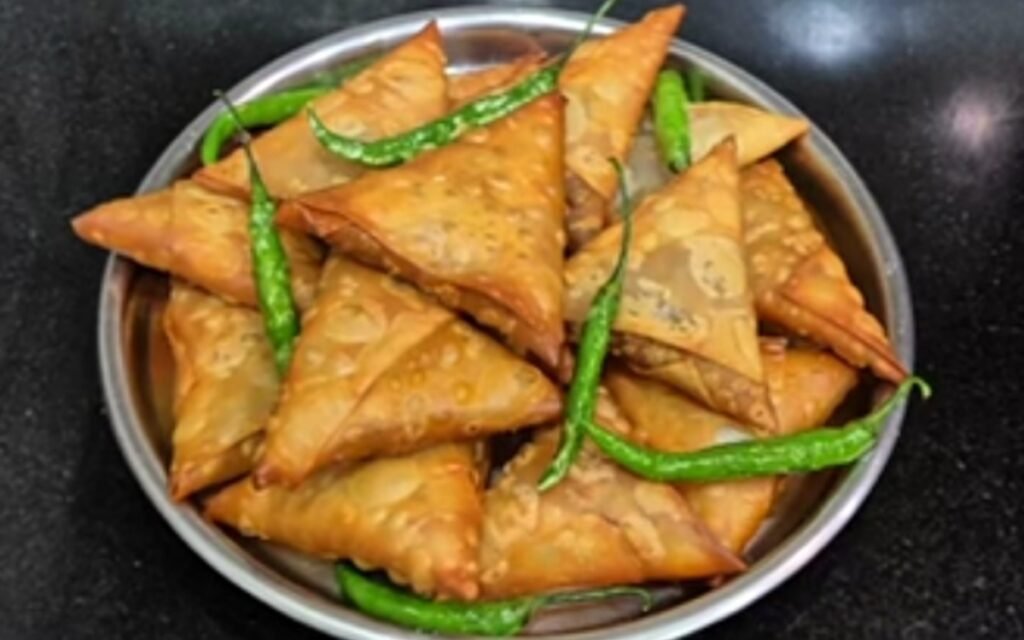
While the heavy, potato-stuffed Punjabi samosas have their own charm, there is something uniquely addictive about these light, flaky “pocket” samosas. Today, I’m sharing the lived experience and the strategic “hacks” to getting that elusive street-style crispiness right in your own kitchen.
The Emotional Connection: Why Onion Samosas?
For many of us, onion samosas are synonymous with shared moments. They are the stars of Iftar during Ramadan, the “treat” after a long school day, and the best companion to a steaming cup of ginger chai. Unlike other snacks, these don’t weigh you down. They are zesty, spicy, and disappear from the plate faster than you can fry them.
The Strategy: Moving Beyond the Basics
To move from “home-cooked” to “professional-grade,” we need to focus on the texture of the filling and the integrity of the fold. Here is how we build that perfect bite.
1. The Filling: It’s All About the “Airing Out”
The biggest mistake people make is using “wet” onions.
- Pro Tip: After slicing 6 medium onions, let them sit out for about 10 minutes. This prevents the filling from becoming soggy during the frying process.
- The Mix: We add grated ginger for heat, boiled peas for texture, and a hint of grated carrot.
- The Spices: Keep it simple—Turmeric, Garam Masala, and Dhania (Coriander) powder. If your Red Chilli powder is strong, skip the green chillies to keep the flavor balanced.
- Crucial Rule: Do not add water to your filling. The onions will release just enough moisture to bind with the spices.
2. The Architecture: The Samosa Sheet
If you want that paper-thin “pocket” feel, you have two choices:
- Homemade: A simple dough of Maida (refined flour), salt, and water, rolled thin and lightly par-cooked.
- The Modern Hack: Use pre-made Samosa sheets (available online or in stores). They ensure a uniform crunch every single time.
3. The “Glue”
Mix a little Maida with water to create a thick paste. This is your insurance policy. It seals the edges so that no oil enters the samosa and no filling escapes into the pan.
The Technique: How to Fold and Fry
The “Pocket Method” is what gives these their signature triangular shape.
- The Cone: Fold one corner of the sheet to create a triangular pocket.
- The Stuffing: Add 2 teaspoons of filling. Don’t overstuff, or the sheet will tear.
- The Seal: Apply your Maida paste generously along the edges and fold tightly.
- The Fry: This is the most important part. Always start with the oil on a low flame. If the oil is too hot, the outside will brown while the inside stays raw. Low and slow is the secret to that golden, uniform crunch.
The Finishing Touch
No Indian tea-time is complete without a little extra “zing.” While your samosas are cooling slightly, toss a few slit green chillies into the hot oil for a quick fry. Sprinkle them with salt and serve them alongside your samosas.
Why This Recipe Works
- Strategic Prep: Airing the onions ensures a non-soggy center.
- Low-Flame Frying: Guarantees the “Street-Style” snap.
- Balanced Spices: Enhances the natural sweetness of the fried onions.
Making samosas at home can feel intimidating, but once you master the “pocket” fold, it becomes a meditative, rewarding process. Next time the clouds turn grey or friends drop by unannounced, skip the delivery app and head to the kitchen. Your senses (and your guests) will thank you.
Inspired by the traditional techniques of Saviruchiya Sobagu, bringing the authentic taste of Karnataka’s kitchens to your table.
3 Types of Garlic Chutneys and Bajra Roti Recipe
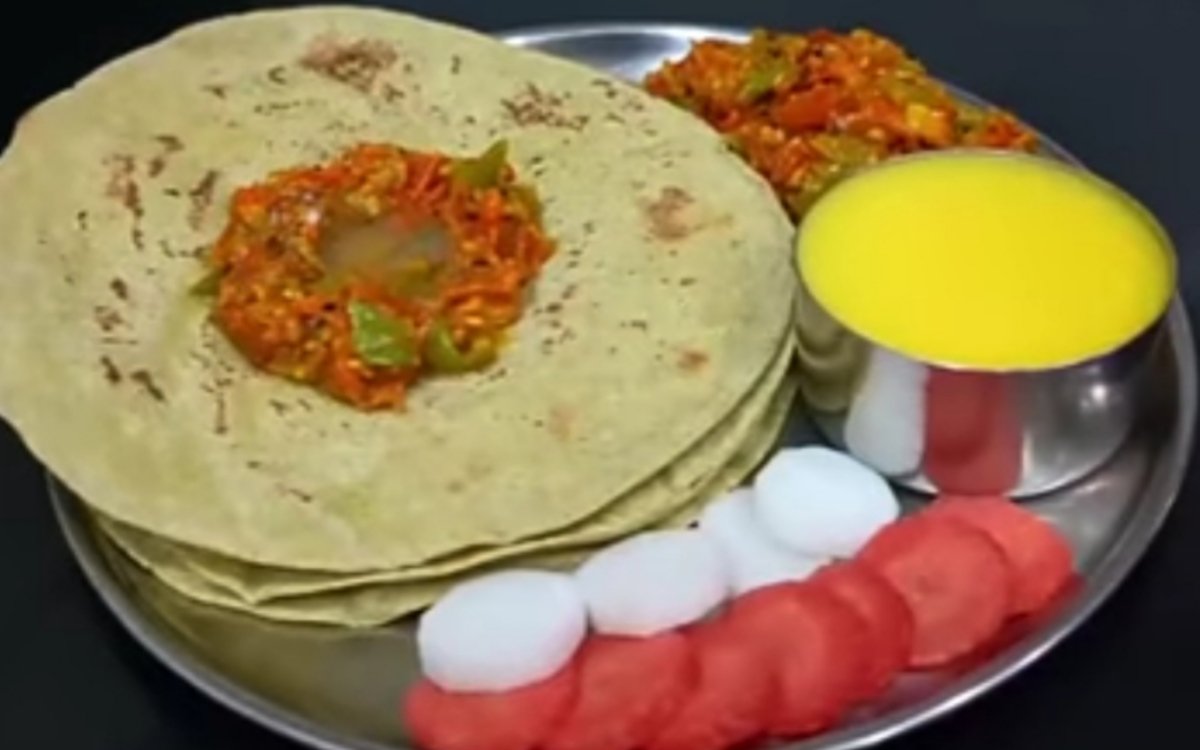
This guide covers three traditional North Karnataka style garlic chutneys that are perfect for travel or long-term storage, along with the preparation of soft Bajra (Pearl Millet) Rotis. 1. Chunky Green & Red Chili Garlic Chutney Best for: Immediate consumption with fresh rotis. Ingredients: Large green and red chilies (less spicy variety) Garlic cloves Fenugreek…
Continue Reading 3 Types of Garlic Chutneys and Bajra Roti Recipe
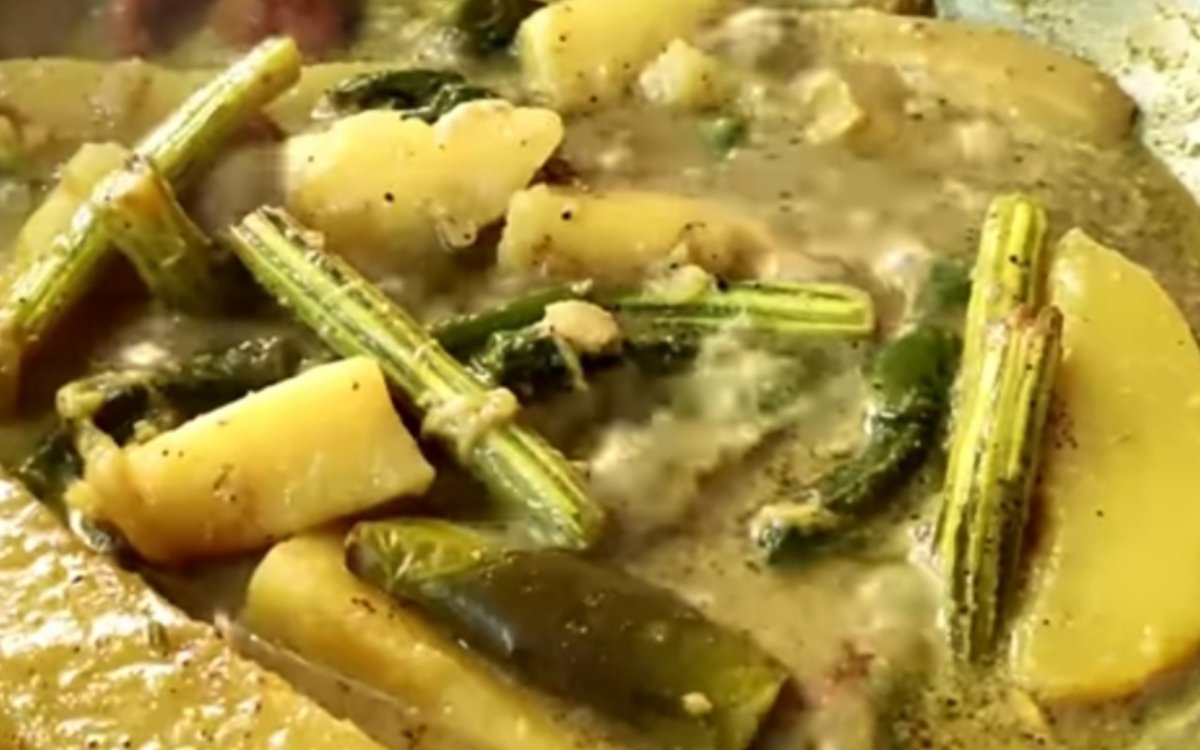
Shukto is a traditional Bengali bitter-sweet vegetable stew, typically served as the first course of a meal. In This article Explained how to prepare a classic, creamy version of this delicacy. Ingredients Vegetables (Chopped into long pieces) Bitter Gourd (Ucche): 2 medium Potato (Alu): 2 medium Raw Papaya (Pepe): 1 cup Raw Banana (Kanchakala): 1…
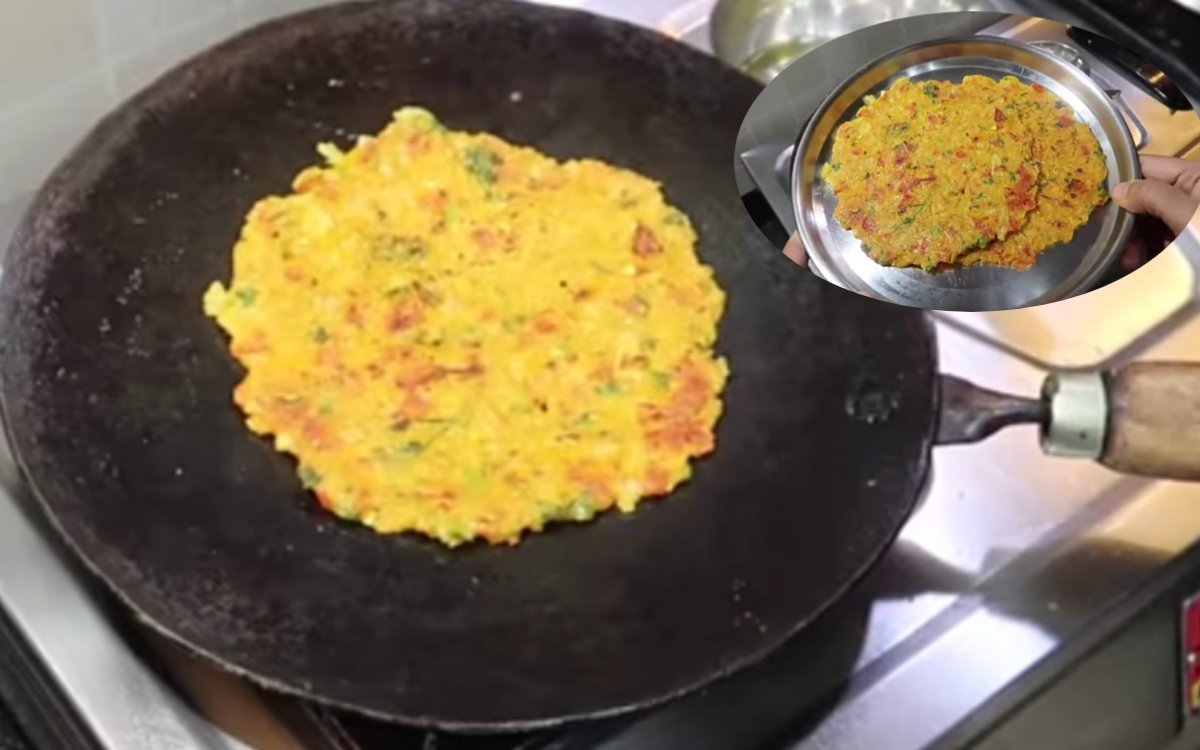
In This article provides a quick, nutritious, and delicious breakfast option using oats and fresh vegetables. Ingredients Oats: 1 cup (Rolled or Instant) Besan (Gram Flour): 2-3 tbsp (for binding) Curd (Yogurt): 1/4 cup Vegetables: Finely chopped Onion, Tomato, Green Capsicum, and Carrots. Spices: Turmeric powder, Red chili powder, Cumin powder, and Salt. Herbs: Fresh…

In This article Explained how to make a refreshing, colorful, and delicious Falooda/Fruit Custard at home. It combines the creaminess of custard with the texture of vermicelli (sevai) and fresh fruits. Ingredients For the Base: Milk: 500ml (Full fat preferred) Vermicelli (Shavige): As per requirement Ghee: 2 tsp Sugar: 1/2 cup (adjust to taste) Custard…
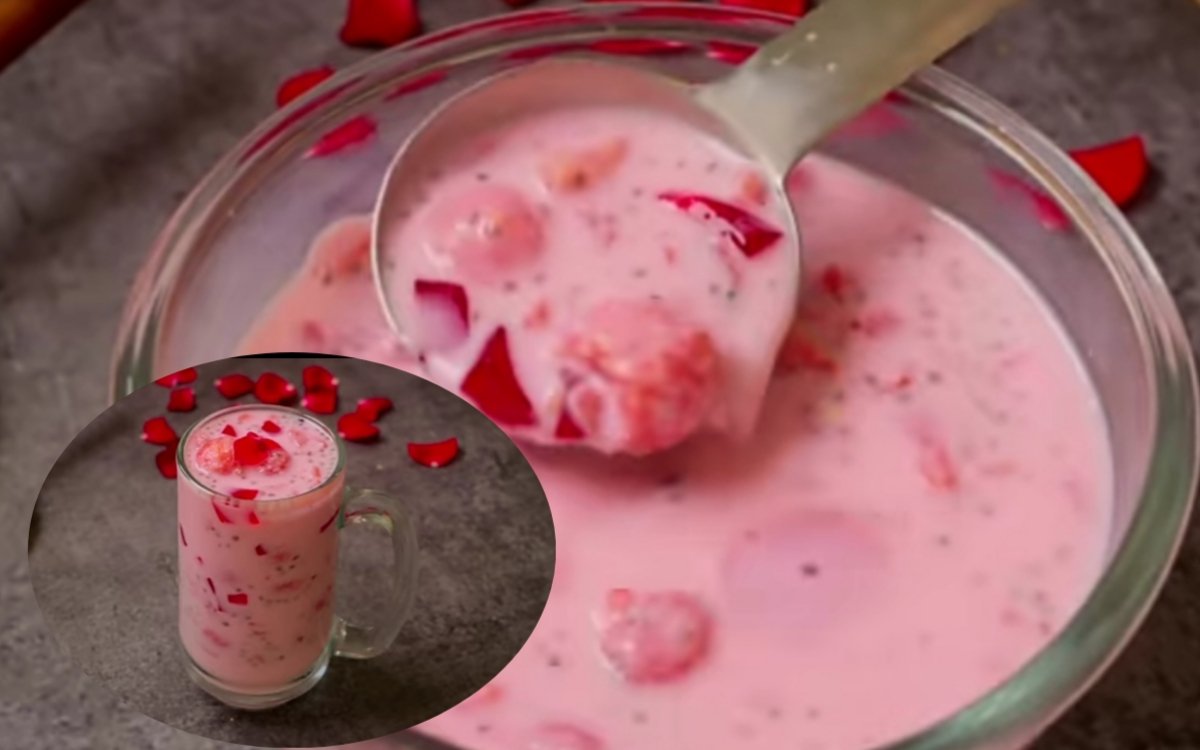
“Mohabbat Ka Sharbat” is a famous refreshing summer drink traditionally made with milk, watermelon, and rose syrup. This version adds jelly and chia seeds for extra texture and cooling benefits. Ingredients For the Base & Toppings: Milk: Boiled and chilled (room temperature or cold). Watermelon: Some finely chopped, others scooped into small balls. Rose Syrup…
Continue Reading Mohabbat Ka Sharbat (Summer Refreshment) Recipe
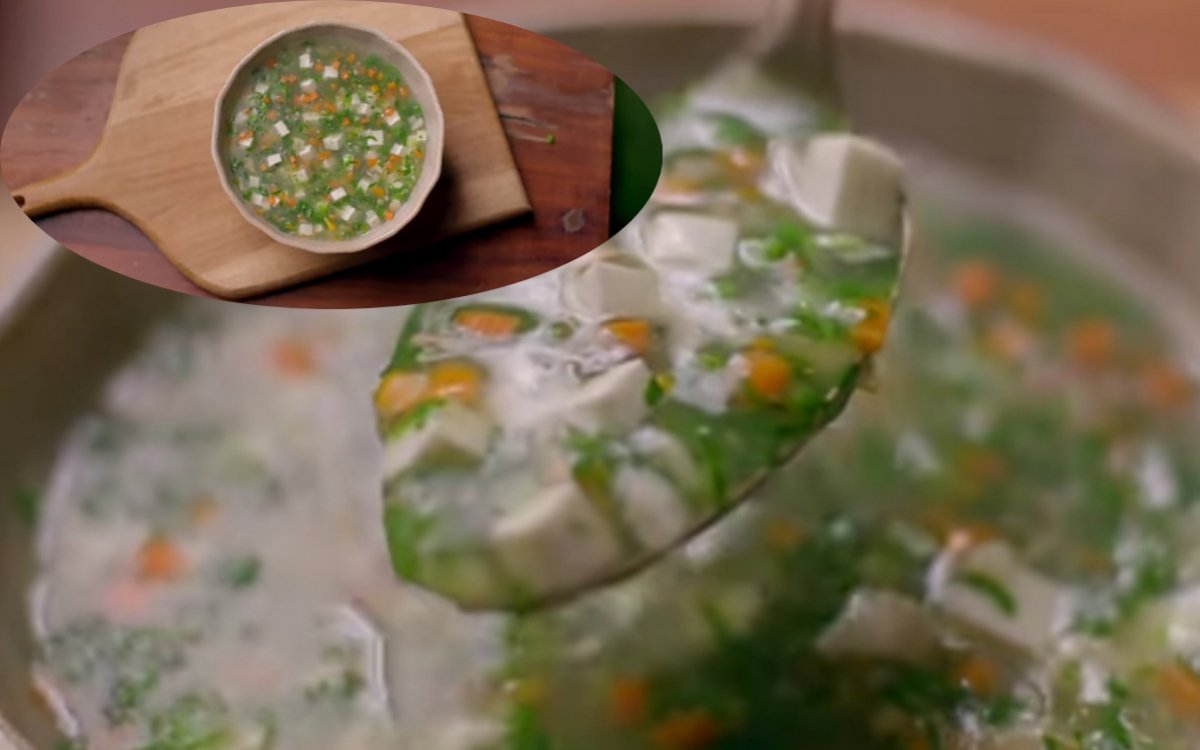
A refreshing, tangy, and healthy Indo-Chinese soup packed with vitamin C and crunchy vegetables. Ingredients For the Vegetable Prep: Cabbage: 1/4 medium-sized (finely chopped) Carrot: 1/2 medium (finely chopped) French Beans: 10 (finely chopped) Capsicum: 1/2 (finely chopped) Paneer: 100g (cut into very small cubes) Fresh Coriander: 1 small bunch (separate the tender stalks from…

Hi, I’m Shreejith! For over 5 years, I’ve been sharing my love for authentic flavors through My Indian Recipe. My mission is to simplify traditional Indian cooking—from regional classics to healthy modern twists—so you can easily “Taste the Tradition” in your own kitchen. Every recipe I share is crafted to bring a piece of India’s rich culinary heritage to your table.